
PRODUCTS
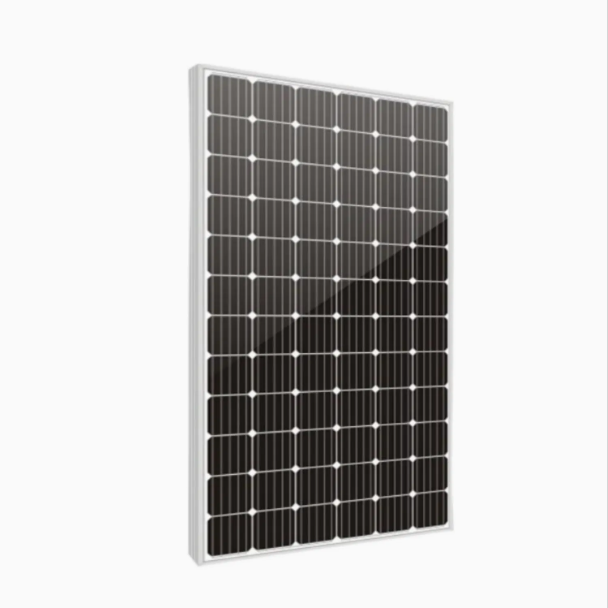
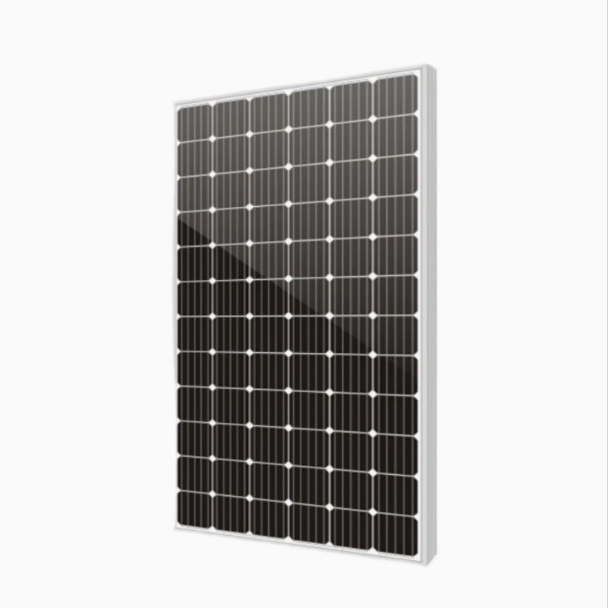
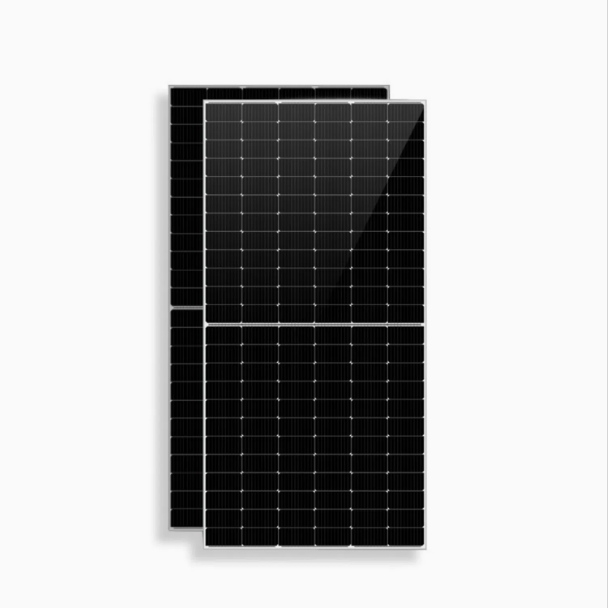
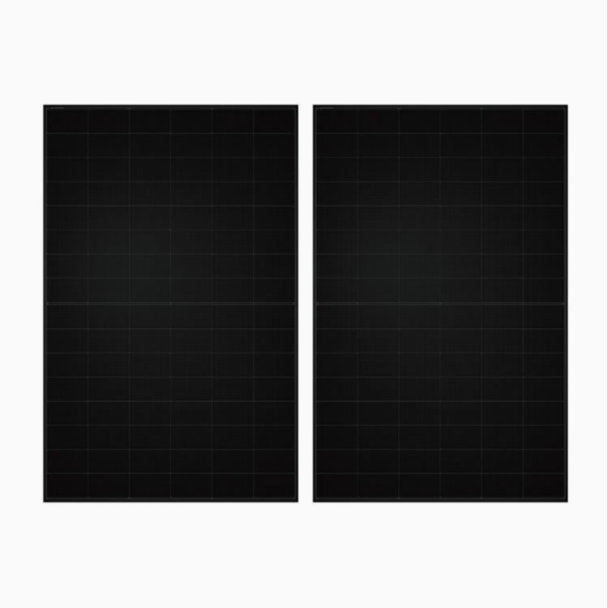

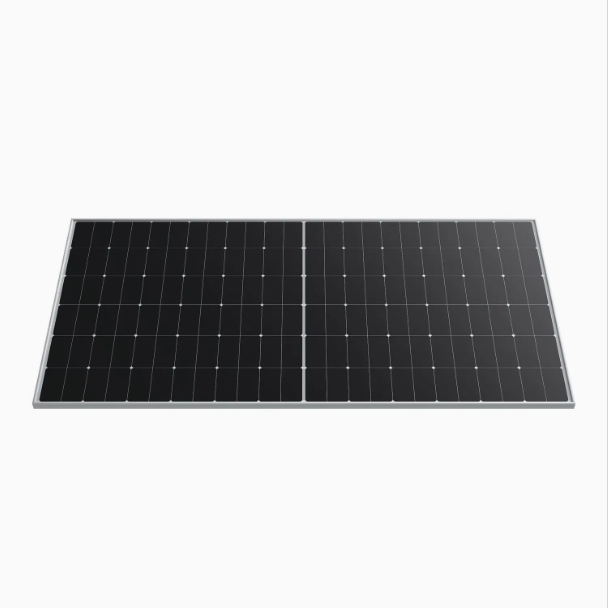
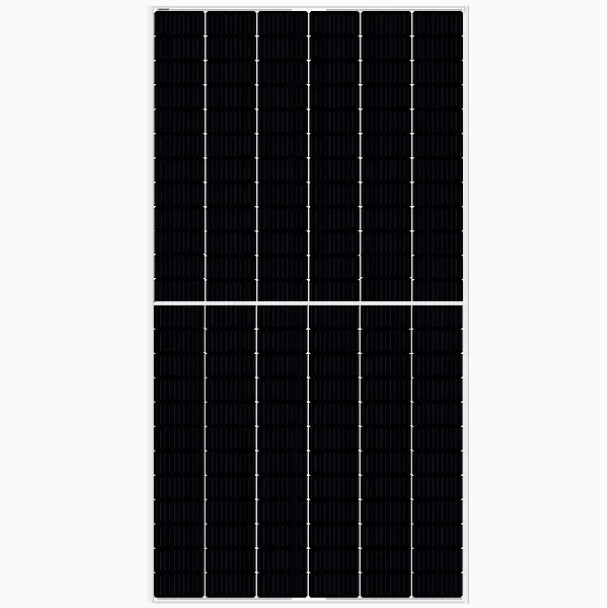
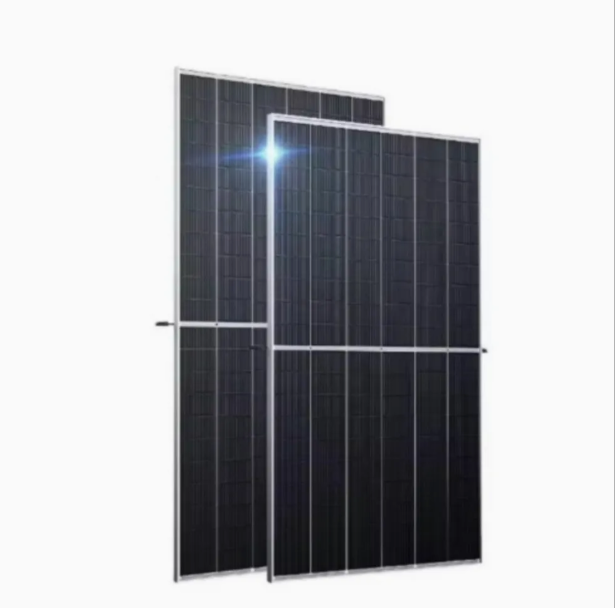
HJT Solar Photovoltaic Panel
Certifications: IEC 61215, IEC 61730, CE, TUV, ISO 9001, ISO 14001, IEC 62941
Cell Type: N-type Heterojunction (HJT)
Module Power Range: 440W ~ 770W (varies by model and format)
Module Conversion Efficiency: 22.5% ~ 25.0%
Maximum System Voltage: DC 1500V / 2000V (selected models)
Power Warranty: 30-year linear power warranty
Product Warranty: 15 years
Product Description
HJT (Heterojunction) solar photovoltaic panels are high-efficiency PV modules employing a composite structure of crystalline silicon and amorphous silicon thin films. The core structure deposits intrinsic amorphous silicon passivation layers and doped amorphous silicon layers on both sides of an N-type monocrystalline silicon wafer, forming a "crystalline silicon-thin film" heterojunction that achieves superior surface passivation and extremely high open-circuit voltage. This technology combines the high stability of crystalline silicon cells with the high efficiency of thin-film cells. Mass production cell efficiency has surpassed 26%, with module efficiency reaching 22.5%~25.0%, making it one of the most outstanding power generation performance solutions among current high-efficiency PV technology routes.
HJT modules feature an extremely low temperature coefficient of -0.24%/℃, delivering significant energy yield advantages in high-temperature environments. Test data from Risen Energy's 740W Hyper-ion Pro module at the SGS verification base in Saudi Arabia shows a power generation gain of over 4.09% compared to TOPCon modules, with the August high-temperature month reaching a monthly average gain of 6.04%, fully validating HJT's "more gain when hotter" characteristic. Meanwhile, HJT cells are inherently free from Light-Induced Degradation (LID) and Potential-Induced Degradation (PID), with first-year degradation ≤1% and subsequent annual linear degradation of only 0.30%~0.35%, retaining over 90.3% of rated output after 30 years.
The modules adopt a bifacial dual-glass structure with bifaciality reaching 85%~95%, delivering significant rear-side power gain on high-albedo surfaces such as sand, snow, and concrete. Huasun's Himalaya series HSN-212-B132 module utilizes large-format G12 wafers and a negative-gap layout, increasing effective cell area by 2.1% and boosting power output by approximately 20W compared to comparable configurations. Selected models support 2000V system voltage, which reduces cable, combiner, pile-foundation, and land-use requirements compared to the mainstream 1500V platform, delivering BOS cost savings of up to CNY 0.15/W in western China projects.
Technical Advantages
Ultra-Low Temperature Coefficient — -0.24%/℃, significant yield gain in high-temperature environments, over 4% gain vs. TOPCon in verified projects
No LID/PID Degradation — Heterojunction structure inherently free from Light-Induced and Potential-Induced Degradation, first-year degradation ≤1%, annual linear degradation only 0.30%~0.35%
Ultra-High Bifaciality — 85%~95% bifaciality, significant rear-side gain, especially suitable for high-albedo surfaces
High Conversion Efficiency — Mass production cell efficiency surpassing 26%, module efficiency 22.5%~25.0%
Superior Low-Light Performance — Amorphous silicon passivation layer enhances carrier collection under low irradiance
2000V System Voltage — Selected models support 2000V system architecture, reducing BOS costs and improving project IRR
Low Carbon Footprint — Full lifecycle carbon footprint reduced to 376.5kg eq CO₂/kWc
Product Parameters
The following are general specifications for mainstream HJT PV modules, classified by application scenario:
Application Scenarios
Utility-Scale Ground-Mounted Plants — 132-cell format, 700W~770W, 2000V system voltage support, reducing BOS costs and LCOE. Leascend's Uranus Pro bifacial dual-glass HJT module achieves bifaciality near 95% with mass-deliverable power of 745W+, suitable for large ground-mounted and C&I rooftop applications
Commercial & Industrial Distributed PV — Suitable for factory, industrial park, and shopping mall rooftops, with high bifaciality utilizing reflected light. The Venus Pro all-black module is suitable for C&I rooftops, high-end residential, and cultural tourism projects with mass-deliverable power of 550W+
High-Temperature & High-Irradiance Regions — Ultra-low temperature coefficient (-0.24%/℃) delivers significant yield gains in the Middle East, Southeast Asia, and South America, with over 6% gain vs. TOPCon in Saudi verified projects
High-Albedo Ground-Mounted Plants — 85%~95% bifaciality delivers significant rear-side gain on sand, snow, and concrete surfaces, suitable for desert and high-latitude snow projects
Offshore PV & Fishery PV — Huasun has launched HJT "sea-light modules" empowering offshore PV applications
Vertical Agrivoltaics — Huasun's Kunlun G12R-132 ultra-high bifaciality vertical module integrated with Sentnet's vertical PV system technology for GW-level vertical agrivoltaic projects
High-End Residential & BIPV — LONGi's Hi-MO S10 residential HJT back-contact module achieves 25% efficiency with all-back-contact single-wire welding, reducing hot-spot temperature by 38.75% vs. TOPCon
Cultural Tourism & Aesthetic Projects — All-black dual-glass HJT modules combine high efficiency with aesthetics, suitable for cultural tourism and high-end residential projects
System Components
HJT PV modules consist of N-type heterojunction cells (crystalline silicon substrate + intrinsic amorphous silicon passivation layer + doped amorphous silicon layer), ultra-white anti-reflective coated tempered glass, EVA/POE/UV-conversion film, rear glass, anodized aluminum alloy frame, IP68 junction box, and MC4-compatible connectors. Cells are soldered in series/parallel using Multi-Busbar (SMBB) or 0BB busbar-less technology, laminated and encapsulated, then assembled with the frame. Selected models employ negative-gap layout and butyl rubber edge sealing to increase effective cell area and moisture resistance. The module outputs DC power through MC4 connectors, directly connectable to PV inverters or combiner boxes, suitable for grid-connected, off-grid, and hybrid power generation systems.
- Q : How much money can a C&I energy storage system save my business?A : Savings depend on your electricity consumption, local peak/off-peak price differentials, and system capacity. For a 215kWh system with one charge-discharge cycle per day, assuming a price differential of $0.10/kWh, a single cycle can save approximately $21.50. Actual returns vary by local utility rates and load profiles. We can provide a customized ROI analysis for your business.
- Q : How do I choose the right storage capacity for my business?A : Capacity selection is based on two key factors: peak load power (determines PCS rating) and energy shifting demand (determines battery capacity). Typically, we analyze your past 12 months of utility bills to calculate maximum demand and off-peak charging needs. We recommend leaving about 20% capacity margin for future load growth.
- Q : What is the typical payback period for a C&I ESS?A : The payback period for C&I energy storage projects is typically 3–6 years, depending on local peak/off-peak price differentials, system costs, government incentives, and your company's self-consumption capability. With declining battery costs and ongoing power market reforms, payback periods continue to shorten.
- Q : Liquid-cooled vs. air-cooled – which should I choose?A : Here's a quick comparison:
Liquid-cooled series: Provides precise thermal control with temperature differences maintained within < 3°C, significantly extending battery cycle life and improving efficiency in high-temperature environments. Ideal for high-density, high-power projects.
Air-cooled series: Mature technology with lower upfront investment and simpler maintenance. Suitable for small to medium-sized projects or cost-sensitive applications.
 Polycrystalline Silicon Solar Photovoltaic Panel
 Monocrystalline Silicon Solar Photovoltaic Panel
 TOPCon solar panel
 PERC solar panel
 HJT Solar Panel
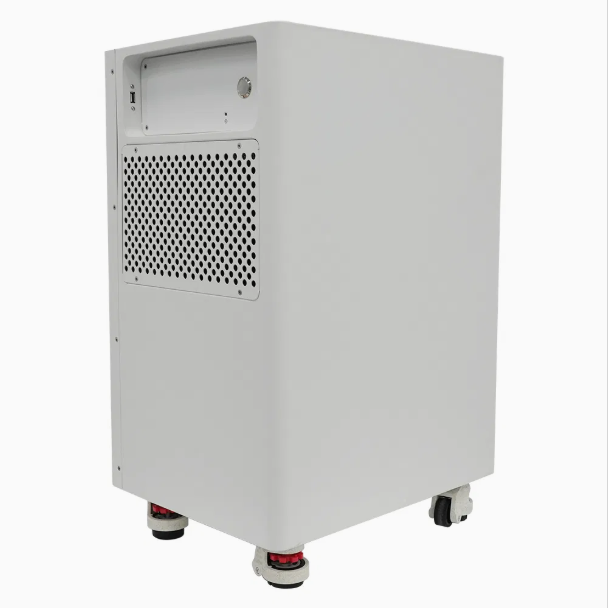
 Customizable residential energy storage
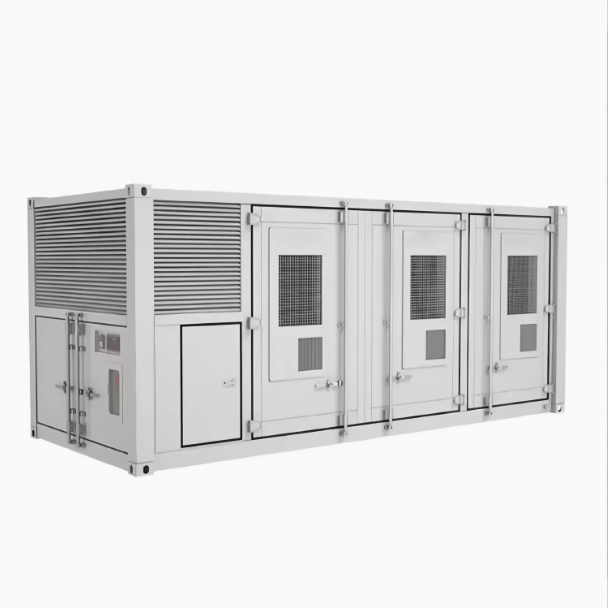
 Containerized energy storage can be customized
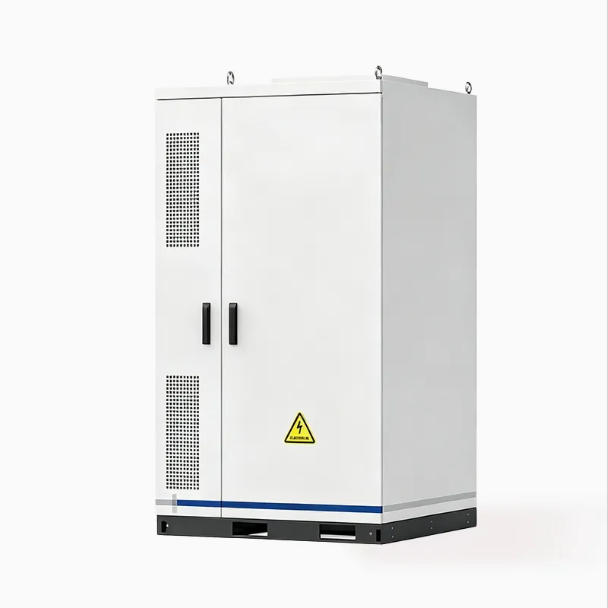
 Customizable industrial and commercial energy storage
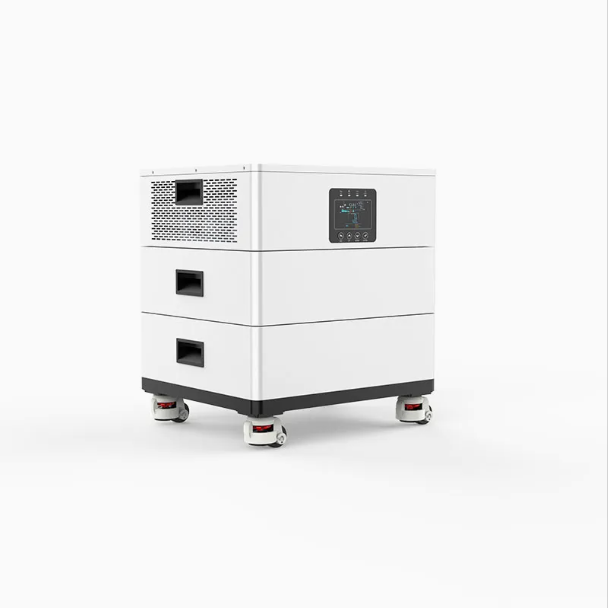
 Stackable Home Energy Storage
 All-in-One Home Energy Storage System Series
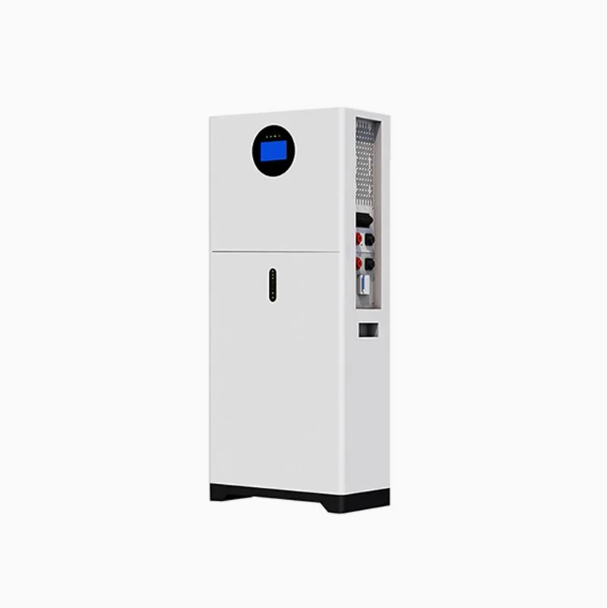
 Floor-Standing Home Energy Storage
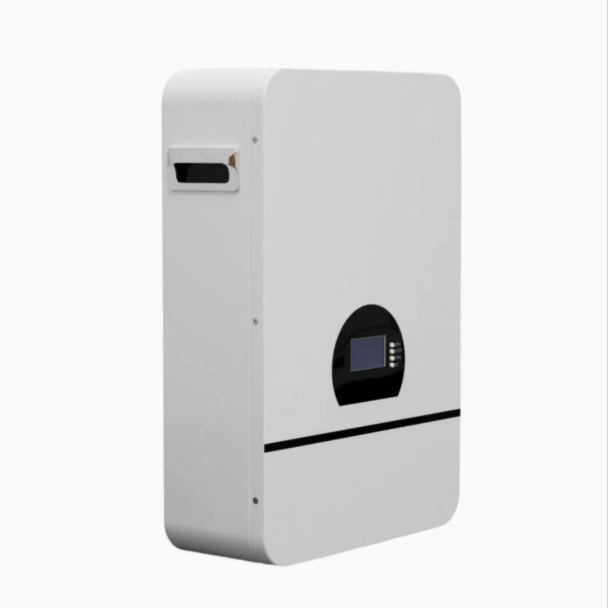
 Wall-Mounted Home Energy Storage
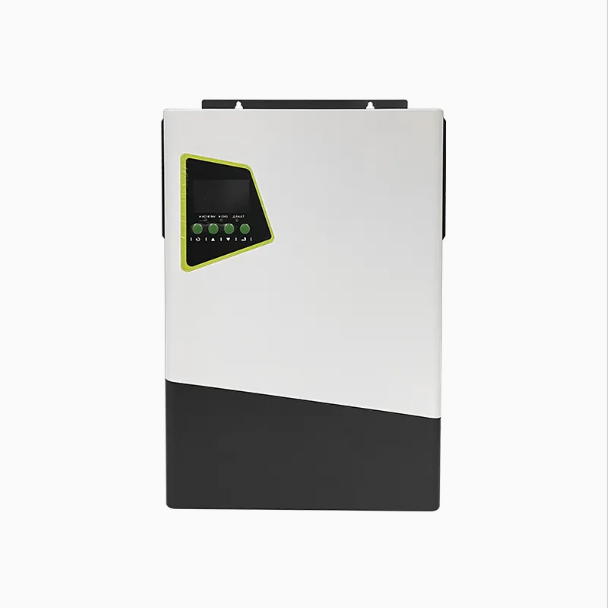
 5kW Off-Grid Solar Inverter
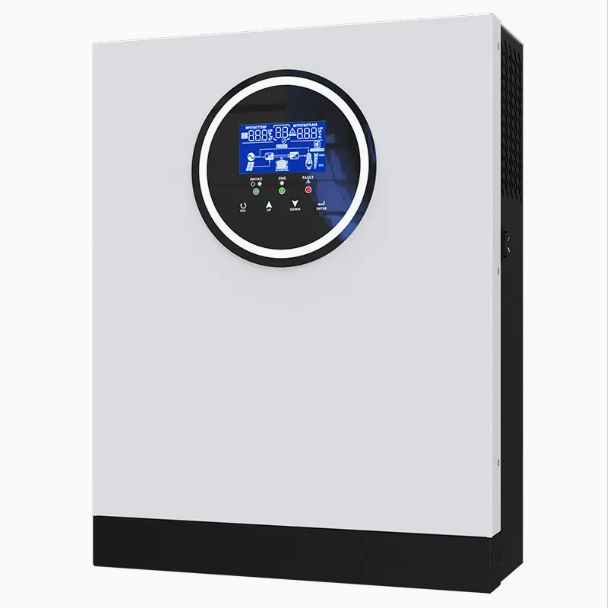
 3kW Off-Grid Solar Inverter
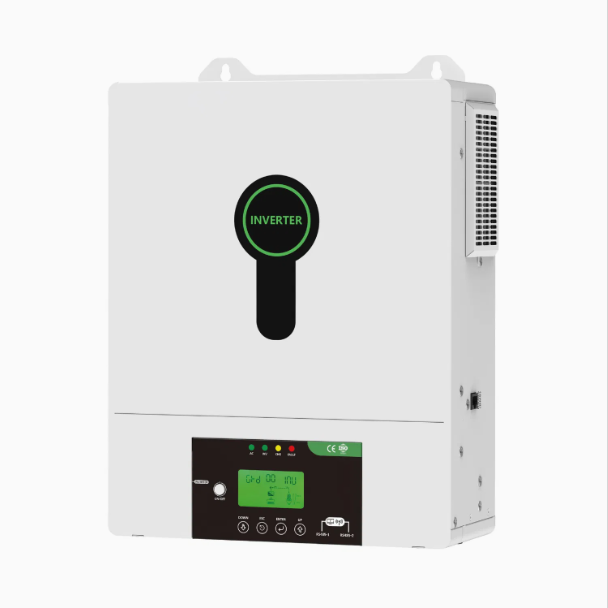
 10kW Off-Grid Solar Inverter
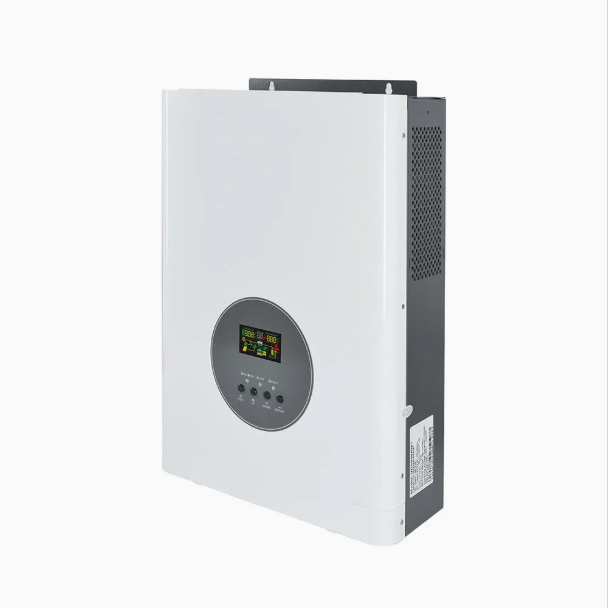
 6-10kW Hybrid Solar Inverter
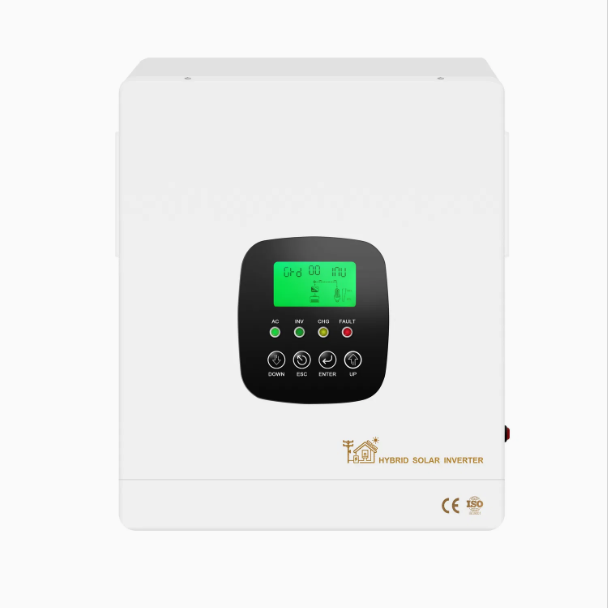
 3-6kW Hybrid Solar Inverter
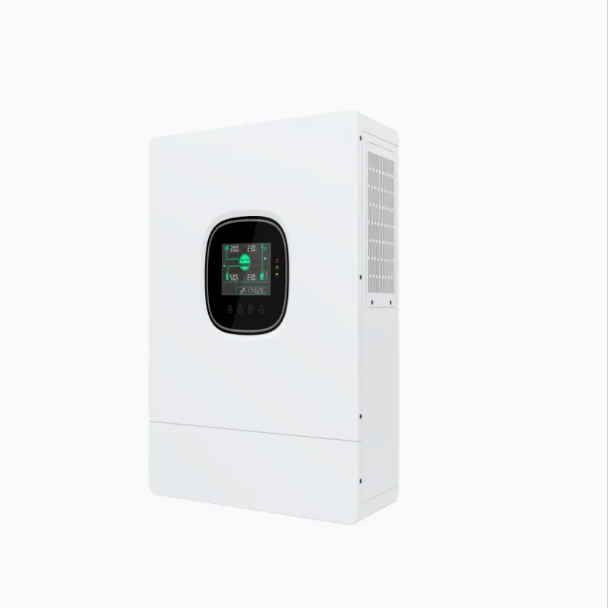
 10-20kW Hybrid Solar Inverter
Contact Us
If you have any cooperation intentions or product questions, please leave us a message!
We will get back to you as soon as possible!
Please give us a message