‹
›
‹
›

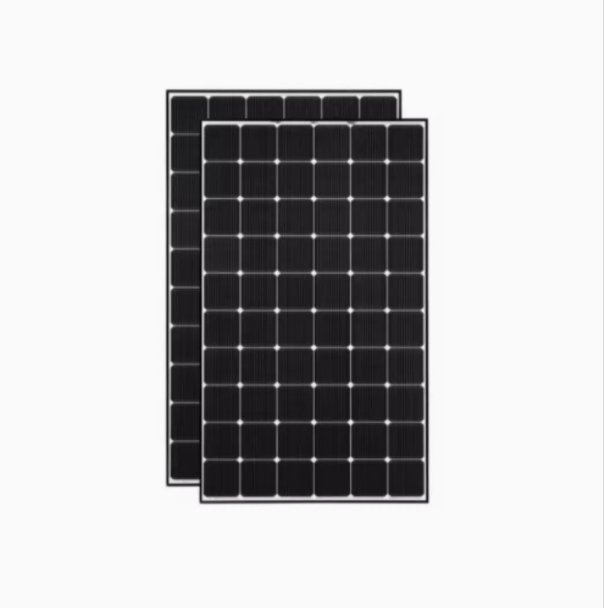
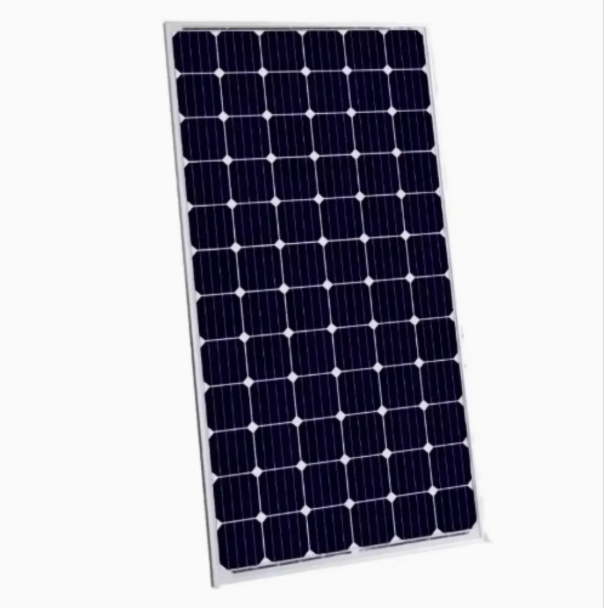
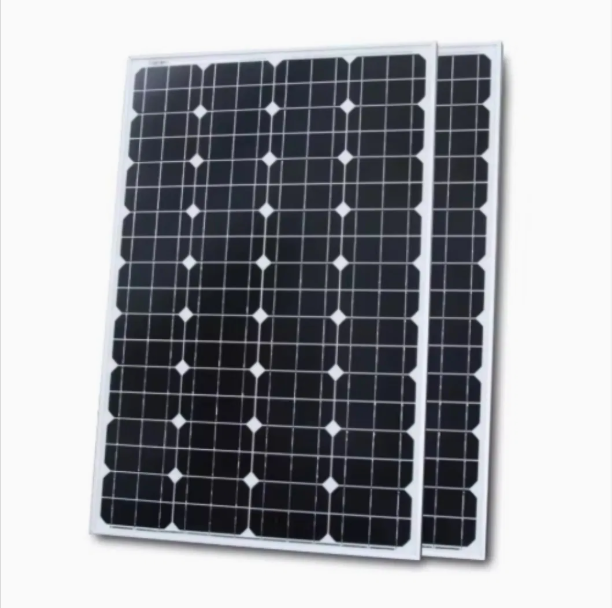
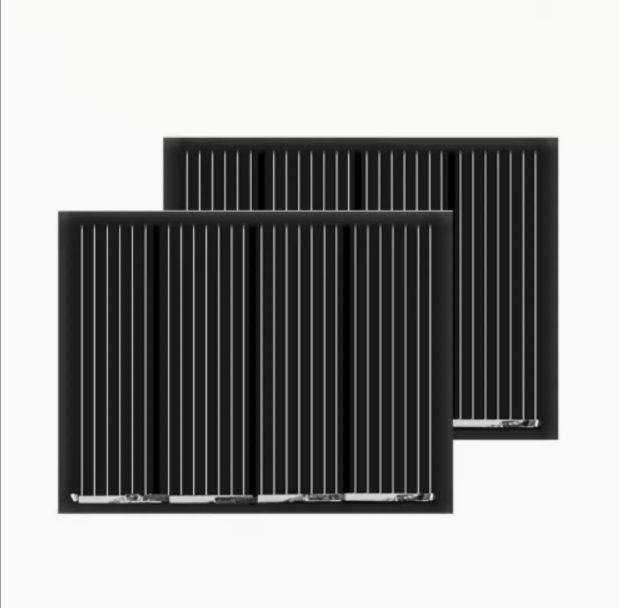
Polycrystalline Silicon Solar Photovoltaic Panel
Certifications: IEC 61215, IEC 61730, CE, TUV, ISO 9001, ISO 14001
Cell Type: Polycrystalline Silicon
Module Power Range: 5W ~ 340W (varies by model)
Module Conversion Efficiency: 14.4% ~ 17.2% (mainstream mass production)
Maximum System Voltage: DC 1000V (IEC) / 600V (UL)
Power Warranty: 25 years linear power warranty
Product Warranty: 10~15 years
Product Description
Polycrystalline silicon solar photovoltaic panels are PV modules built around polycrystalline silicon cells. Polycrystalline silicon is cut from cast multicrystalline silicon ingots, featuring a distinctive ice-blue crystalline pattern on the surface with high recognizability. Its photoelectric conversion efficiency typically ranges from 14.4% to 17.2%. Although slightly lower than monocrystalline modules, polycrystalline modules retain a significant economic advantage in price-sensitive applications thanks to lower manufacturing costs and mature mass-production processes, with a cost per watt approximately 65%~75% that of monocrystalline modules.
The module adopts a multi-layer structural design: the surface layer is 3.2mm ultra-white textured tempered glass with over 91% light transmittance; the middle layer bonds the cell array with EVA film; the backsheet uses corrosion-resistant TPT composite material; and the frame is made of high-strength anodized aluminum alloy. The module can withstand 2400Pa wind load and 5400Pa snow load, with an operating temperature range of -40°C to +85°C, offering hail impact resistance and sandstorm durability.
Polycrystalline modules are available in power ranges from 5W to 340W, covering 36-cell, 60-cell, and 72-cell configurations. They are widely used in off-grid power systems, solar street lights, traffic signals, communication base stations, agricultural PV greenhouses, and village-level poverty alleviation power stations, with a service life of 20~25 years, making them a rational choice for budget-limited scenarios with ample installation area.
Application Scenarios
Off-Grid & Distributed Power Generation — Suitable for military and civilian electricity needs in remote areas such as plateaus, islands, pastoral areas, and border outposts, as well as distributed generation and off-grid power stations
Transportation & Municipal Facilities — Autonomous power supply for unattended outdoor facilities including navigation lights, traffic signal lights, warning signs, high-altitude obstacle lights, and smart street lights along highways, railways, and waterways
Solar Lighting Systems — Power supply for garden lights, street lights, lawn lights, portable lights, camping lights, and other solar lighting equipment
Communication & Monitoring Equipment — Power supply for microwave relay stations, forest fire monitoring, highway surveillance, hydrological and meteorological observation, and pipeline cathodic protection
Large-Scale Ground-Mounted Plants & Agricultural PV — Large ground-mounted PV power stations, agricultural PV greenhouses, village-level poverty alleviation power stations, school rooftops, and breeding shed roofs where space utilization requirements are not high
Residential & Commercial Systems — Household rooftop PV systems, commercial PV systems, and building-integrated photovoltaics (BIPV)
Product Parameters
The following are general specifications for mainstream polycrystalline silicon PV modules:
System Components
The polycrystalline silicon PV module consists of polycrystalline silicon cells, 3.2mm ultra-white textured tempered glass, EVA film, TPT backsheet, anodized aluminum alloy frame, IP65-rated junction box, and MC4 connectors. The module adopts a seven-layer structure: the surface layer is high-transmittance tempered glass, the middle layer is the polycrystalline silicon cell array bonded with EVA film, the backsheet provides sealing and insulation, and the aluminum alloy frame enhances structural stability. The cells are soldered in series/parallel to form circuits, laminated and encapsulated, then assembled with the frame. Bypass diodes are built into the junction box to prevent hot-spot effects. The module outputs DC power through MC4 connectors, directly connectable to PV controllers, inverters, or combiner boxes. In off-grid systems, it must be paired with solar controllers, batteries, and inverters to build a complete off-grid or grid-connected power generation system.
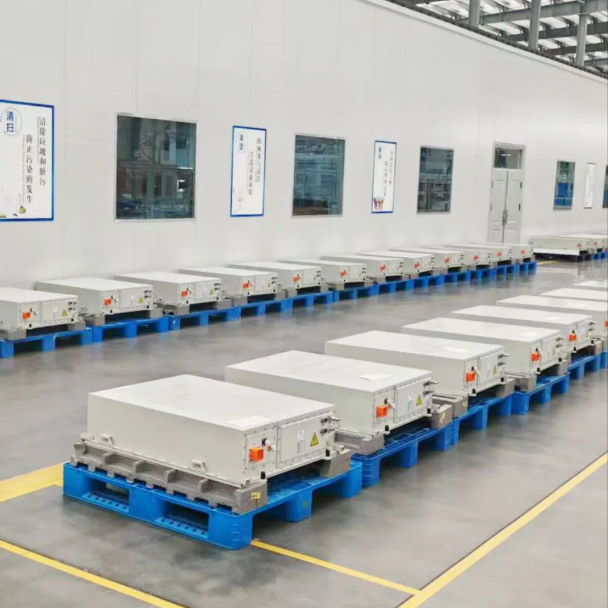
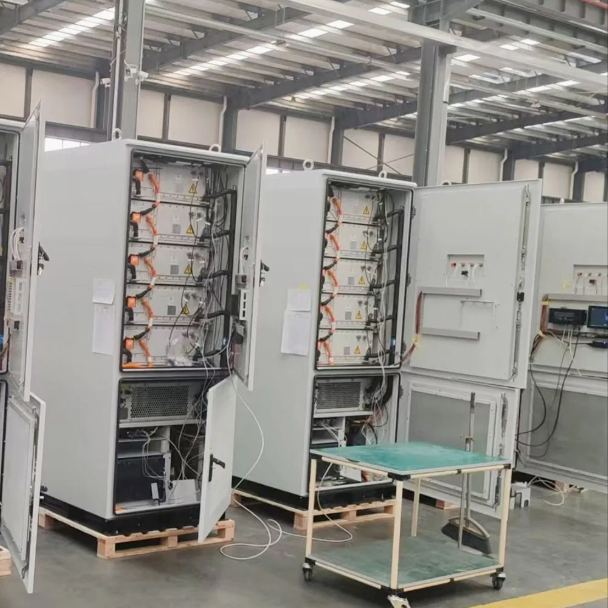
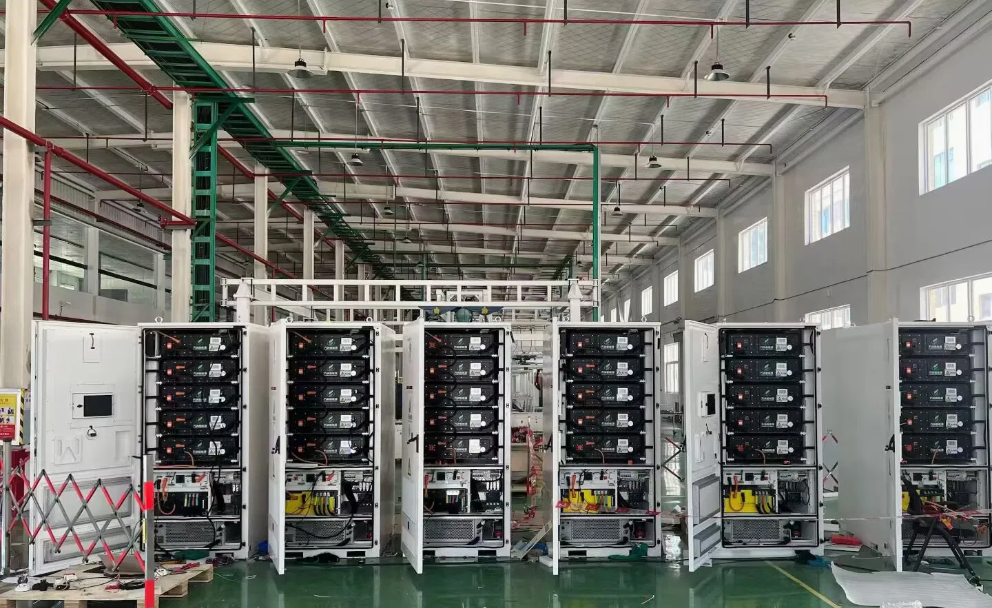
- Q : How much money can a C&I energy storage system save my business?A : Savings depend on your electricity consumption, local peak/off-peak price differentials, and system capacity. For a 215kWh system with one charge-discharge cycle per day, assuming a price differential of $0.10/kWh, a single cycle can save approximately $21.50. Actual returns vary by local utility rates and load profiles. We can provide a customized ROI analysis for your business.
- Q : How do I choose the right storage capacity for my business?A : Capacity selection is based on two key factors: peak load power (determines PCS rating) and energy shifting demand (determines battery capacity). Typically, we analyze your past 12 months of utility bills to calculate maximum demand and off-peak charging needs. We recommend leaving about 20% capacity margin for future load growth.
- Q : What is the typical payback period for a C&I ESS?A : The payback period for C&I energy storage projects is typically 3–6 years, depending on local peak/off-peak price differentials, system costs, government incentives, and your company's self-consumption capability. With declining battery costs and ongoing power market reforms, payback periods continue to shorten.
- Q : Liquid-cooled vs. air-cooled – which should I choose?A : Here's a quick comparison:
Liquid-cooled series: Provides precise thermal control with temperature differences maintained within < 3°C, significantly extending battery cycle life and improving efficiency in high-temperature environments. Ideal for high-density, high-power projects.
Air-cooled series: Mature technology with lower upfront investment and simpler maintenance. Suitable for small to medium-sized projects or cost-sensitive applications.
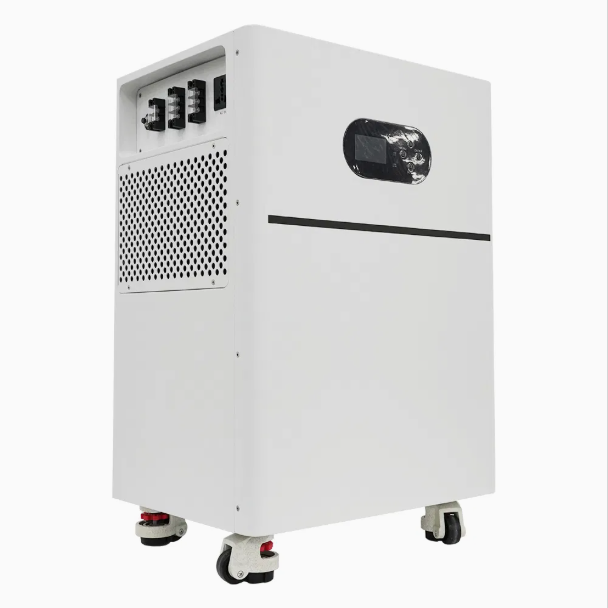
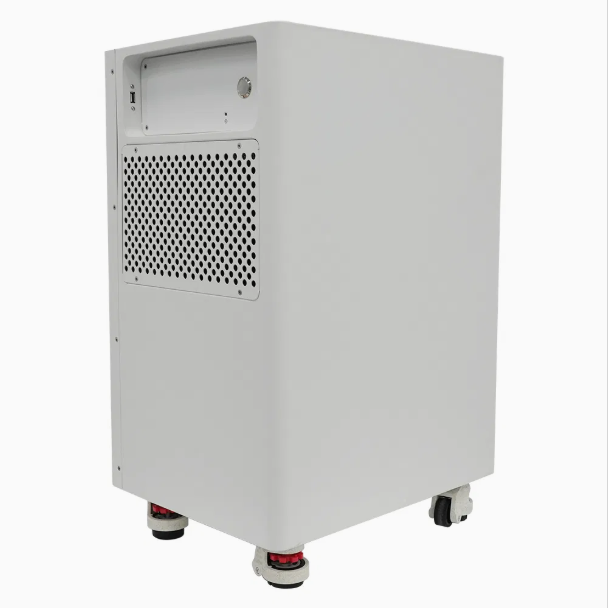
 Customizable residential energy storage
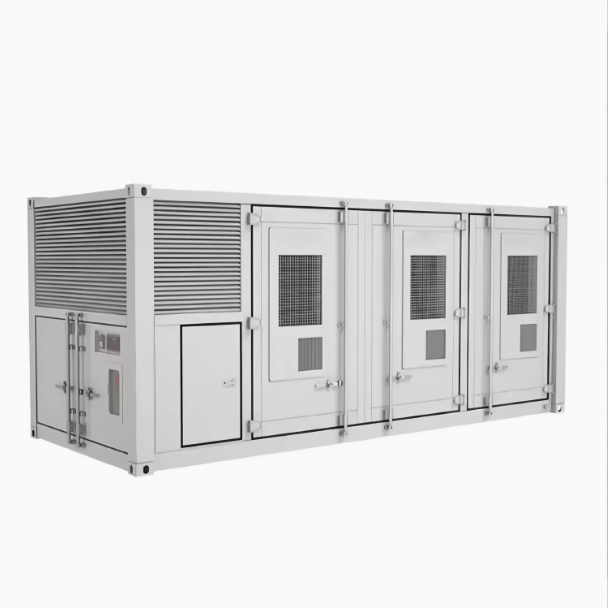
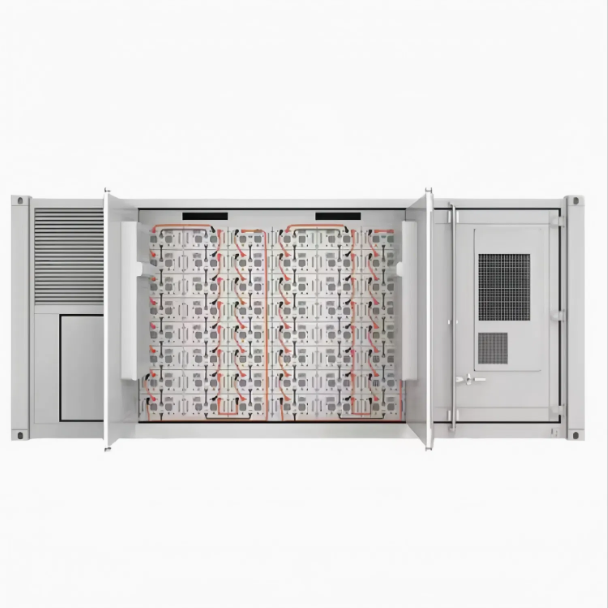
 Containerized energy storage can be customized
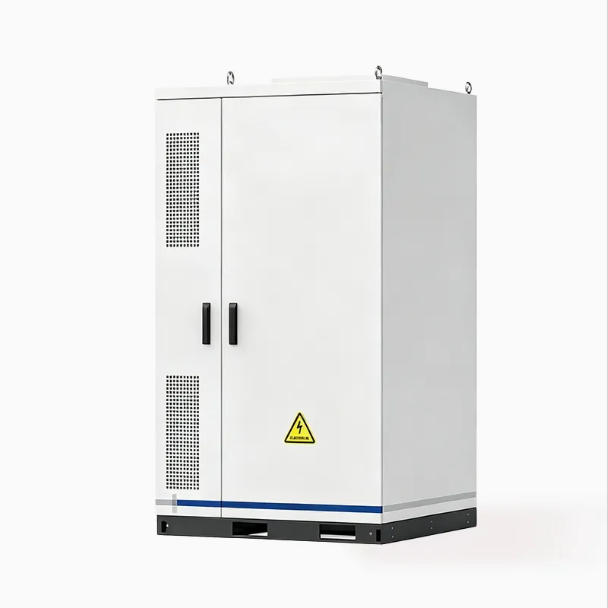
 Customizable industrial and commercial energy storage
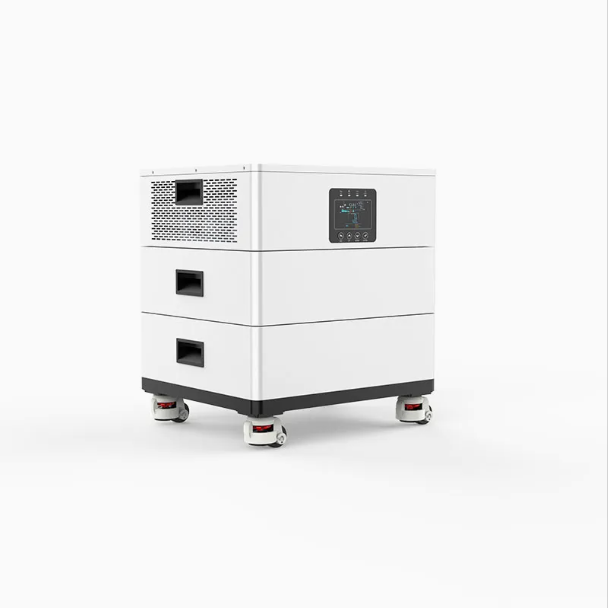
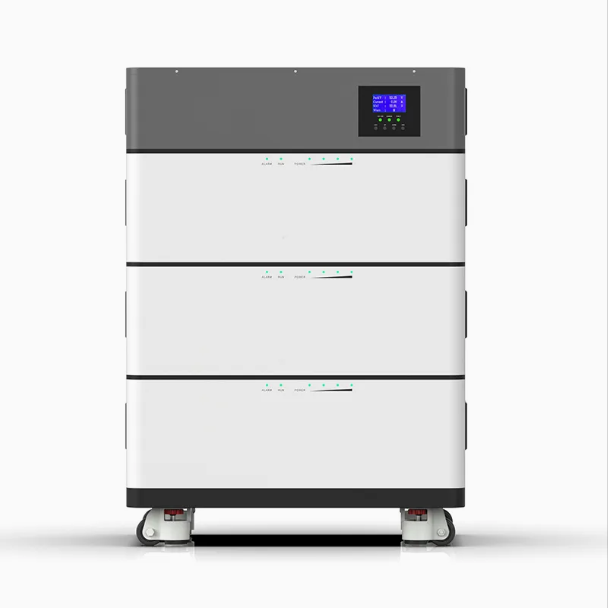
 Stackable Home Energy Storage
 All-in-One Home Energy Storage System Series
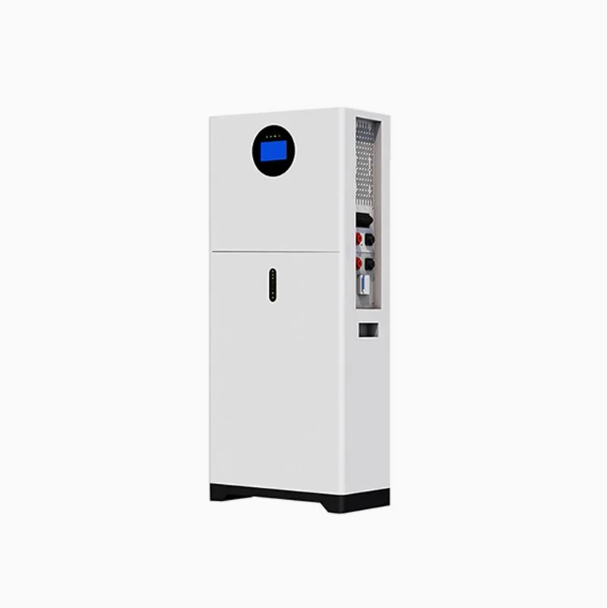
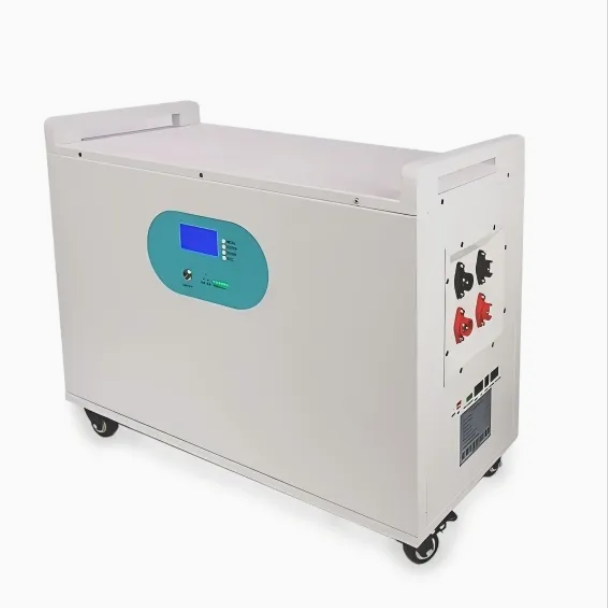
 Floor-Standing Home Energy Storage
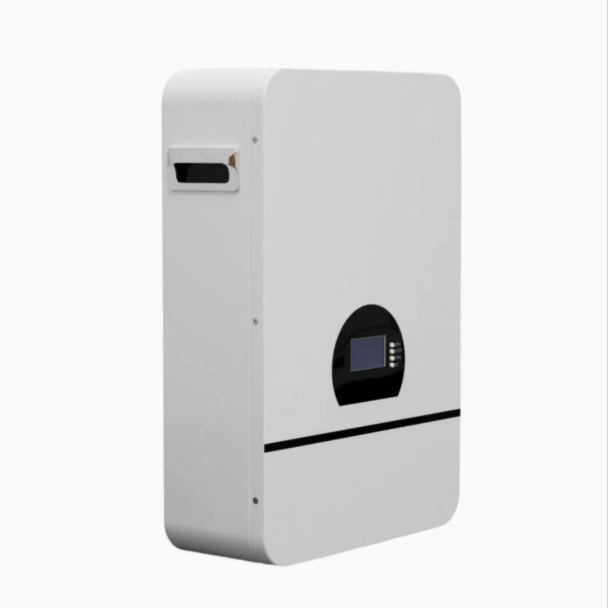
 Wall-Mounted Home Energy Storage
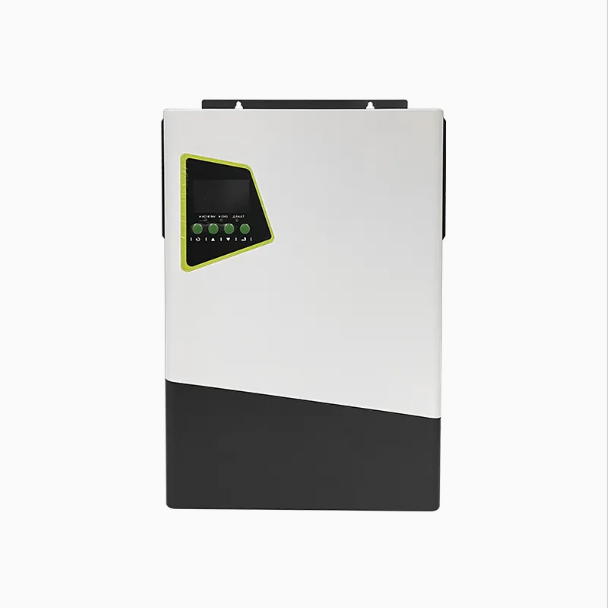
 5kW Off-Grid Solar Inverter
 3kW Off-Grid Solar Inverter
 10kW Off-Grid Solar Inverter
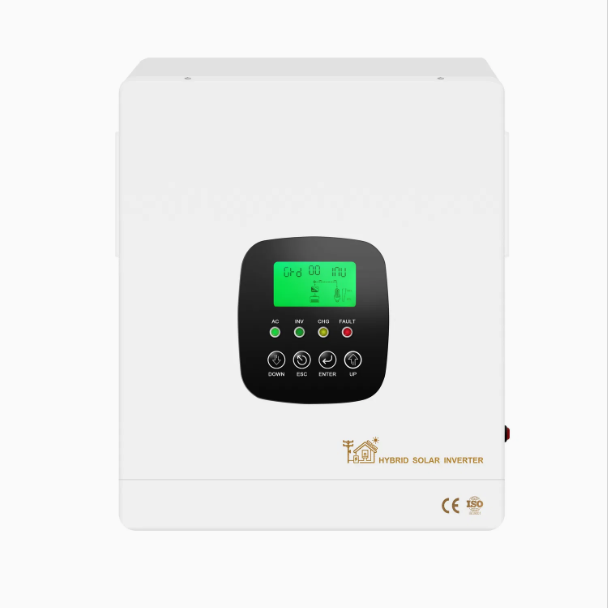
 6-10kW Hybrid Solar Inverter
 3-6kW Hybrid Solar Inverter
 10-20kW Hybrid Solar Inverter
 High-Voltage 512V 300Ah LiFePO4 Battery System
 LiFePO4 Battery Portable Power Station
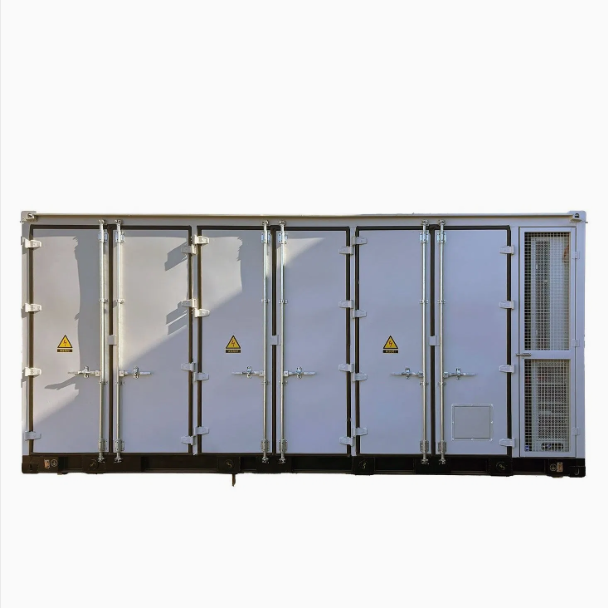
") Energy Storage Booster Station Substation (PCS Storage-Booster Integrated Cabin)
Energy Storage Booster Station Substation (PCS Storage-Booster Integrated Cabin)") 5MWh All-in-One Energy Storage Container (Air-Cooled / Liquid-Cooled)
5MWh All-in-One Energy Storage Container (Air-Cooled / Liquid-Cooled)") 2MWh All-in-One Energy Storage Container (Air-Cooled / Liquid-Cooled)
2MWh All-in-One Energy Storage Container (Air-Cooled / Liquid-Cooled)
Contact Us
If you have any cooperation intentions or product questions, please leave us a message!
We will get back to you as soon as possible!
Please give us a message