PRODUCTS
‹
›
‹
›

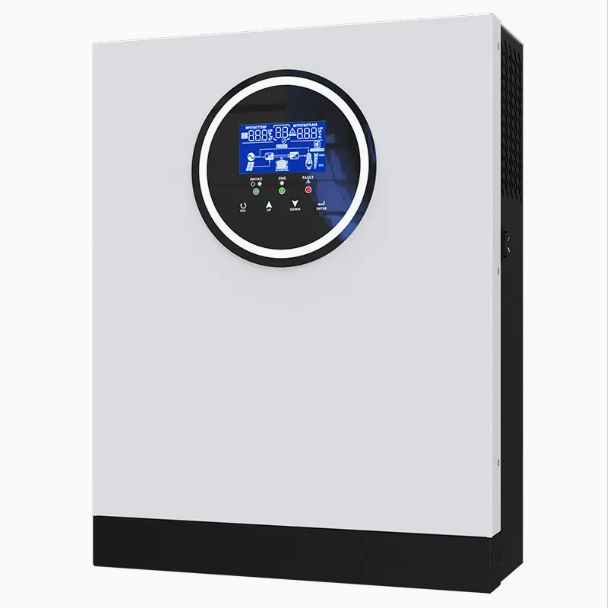
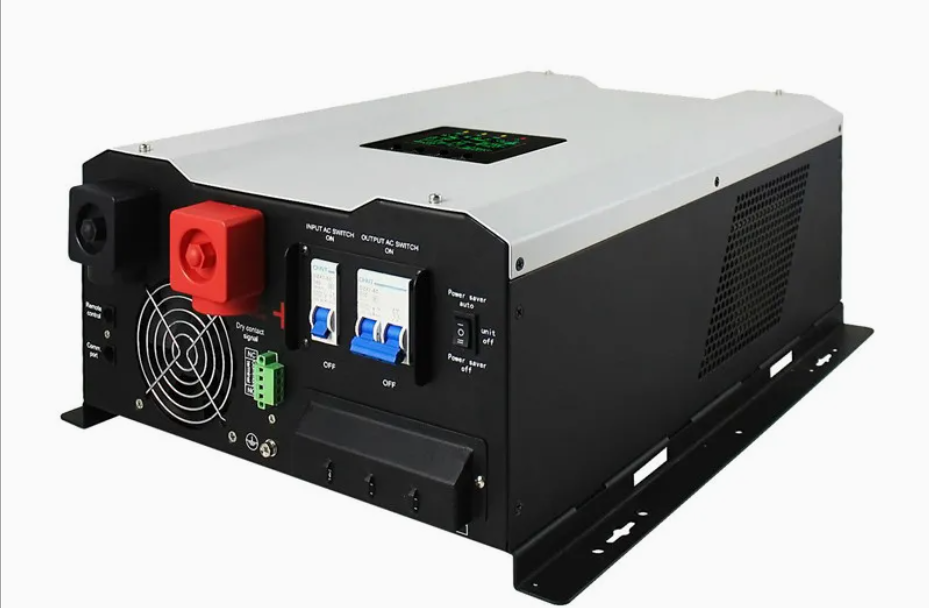
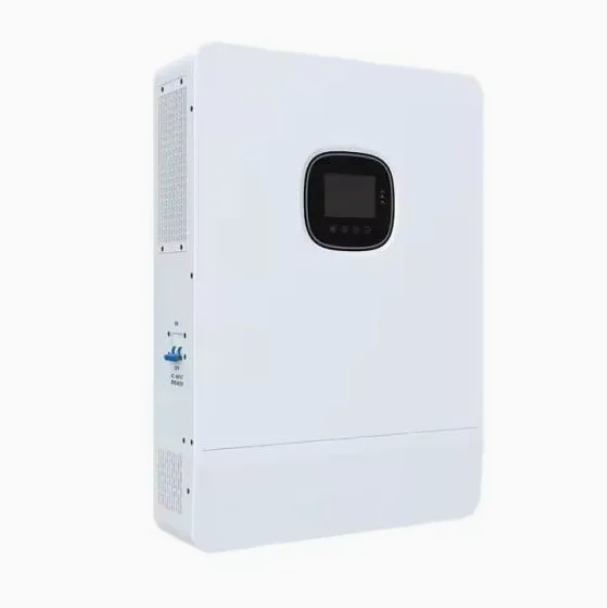
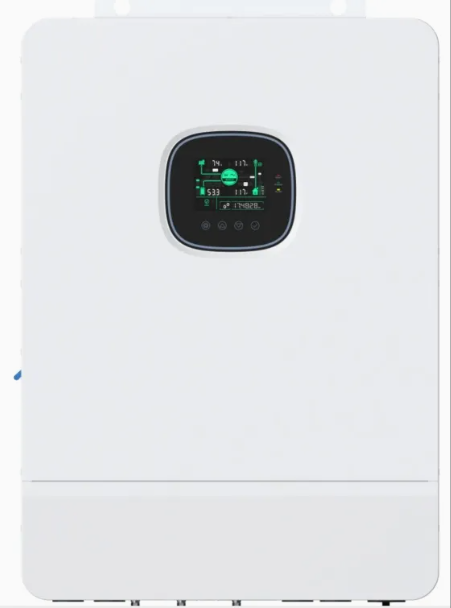
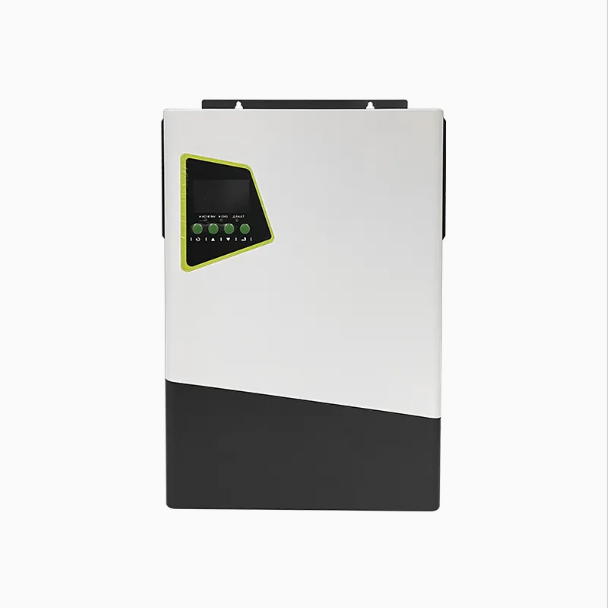
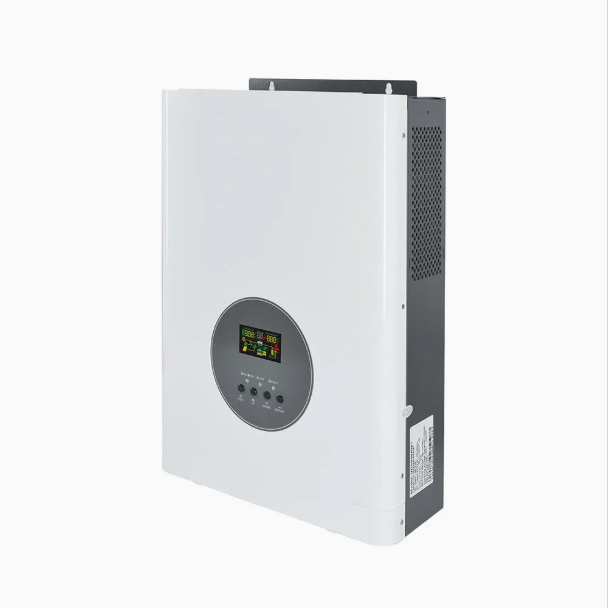
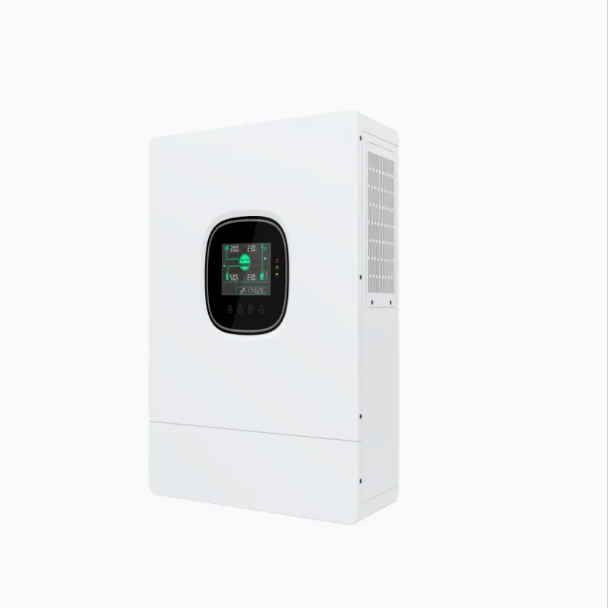
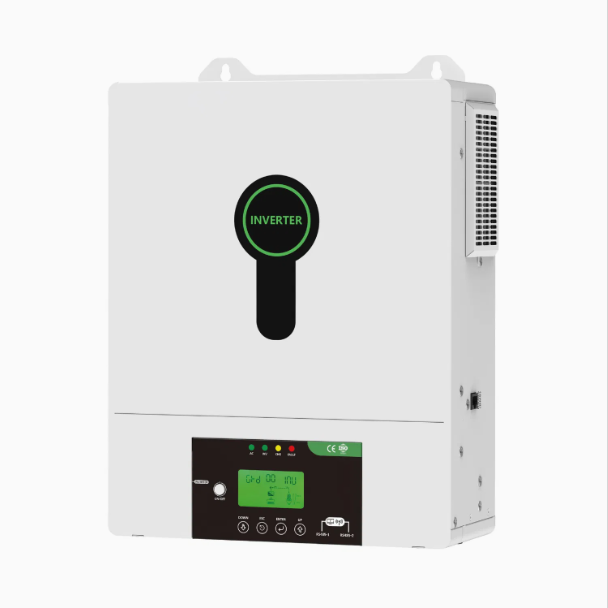
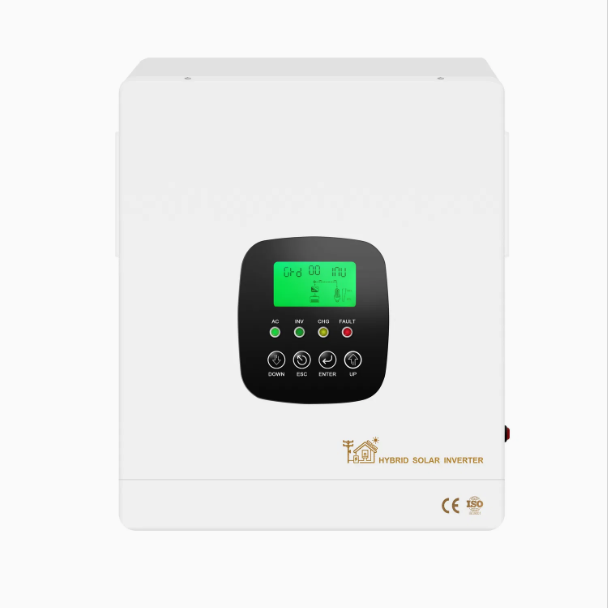
3-6kW Hybrid Solar Inverter
Certifications: IEC 62109, IEC 61727, IEC 61000, VDE, CE, EN 50438, AS/NZS 4777, UL
Rated Output Power: 3kW / 3.6kW / 4kW / 4.6kW / 5kW / 6kW
Max PV Input Power: 6kW ~ 12kW (1.5~2× rated power oversizing)
Number of MPPT: 1~2
Battery Type: Lithium-ion / Lead-acid / Gel battery
Battery Voltage Range: 40V ~ 60V (low voltage) / 80V ~ 450V (high voltage)
Protection Level: IP65 / IP66
Grid/Off-Grid Switching Time: ≤10ms
Product Description
The 3-6kW Hybrid Solar Inverter is an intelligent energy storage inverter designed for residential and small commercial applications. It integrates PV grid-connected generation, battery energy storage management, and off-grid backup power into a single unit, serving as the core control unit of a home energy management system. The system combines PV DC-DC conversion, battery charge/discharge management, grid-connected inversion, off-grid inversion, and intelligent Energy Management System (EMS), supporting multi-directional energy flow and intelligent scheduling among PV, battery, grid, and loads.
The product features a dual MPPT design supporting 18A+18A PV input current, compatible with high-power PV modules. Maximum PV input power can reach 2× the rated power, significantly improving PV utilization. The inverter achieves a maximum efficiency of 97.6%, MPPT tracking efficiency exceeding 99%, and Euro efficiency of 96.5%, with no-load loss below 10W and standby loss below 3W, effectively reducing system self-consumption. Equipped with an intelligent Time-of-Use (TOU) charging/discharging mode, it automatically optimizes charge/discharge strategies based on tariff periods, reducing user electricity costs.
The system supports grid-connected, off-grid, and hybrid operating modes, with off-grid switching time ≤10ms. During grid outages, it automatically switches to battery power, ensuring uninterrupted operation of critical loads such as refrigerators, lighting, and routers. Battery compatibility is strong, supporting lithium-ion, lead-acid, and gel batteries, with lithium-ion charging strategies adaptive to BMS. The system supports up to 16 units in parallel, flexibly expandable to hundreds of kW, suitable for residential, small commercial, communication base stations, and off-grid areas.
Application Scenarios
Residential PV-Storage Systems — Works with rooftop PV modules and low-voltage battery packs to achieve PV self-consumption, surplus storage, and peak-valley arbitrage, boosting home energy self-sufficiency to over 80%
Home Emergency Backup Power — Automatically switches to off-grid supply within ≤10ms during grid outages, providing uninterrupted power for critical loads such as refrigerators, lighting, routers, and security systems
Small Commercial & Office Spaces — Suitable for small shops, offices, and clinics, reducing peak demand charges and improving power supply reliability
Communication Base Stations & Remote Area Power Supply — Supports off-grid and weak-grid operation with diesel generator interface, suitable for stable power supply in areas with unstable or no grid coverage
PV-Storage-Charging Integrated Systems — Collaborates with EV chargers to intelligently match PV generation, storage regulation, and charging loads, mitigating charging load impact on the grid
Virtual Power Plant (VPP) & Demand Response — Supports remote firmware upgrades and grid dispatch, connectable to VPP platforms for demand response and power market trading
Product Parameters
The following are general specifications for mainstream 3-6kW single-phase hybrid inverters:
System Components
The system consists of a PV DC-DC conversion unit (with dual MPPT maximum power point tracking modules), battery charge/discharge management unit (supporting adaptive management of lithium-ion/lead-acid/gel batteries), grid-connected inversion unit (DC-AC bidirectional conversion), off-grid inversion unit (pure sine wave output), intelligent Energy Management System (EMS) control unit, protection and monitoring unit (including AFCI arc protection, anti-islanding protection, insulation impedance detection, and Type II SPD), human-machine interface module (color touch LCD and communication interfaces), and thermal management system (natural cooling). The system supports multi-directional energy flow and intelligent scheduling among PV, battery, grid, and loads, interconnecting with cloud monitoring platforms via RS485/CAN/Wi-Fi/4G interfaces for remote monitoring, strategy scheduling, and firmware upgrades.
- Q : How much money can a C&I energy storage system save my business?A : Savings depend on your electricity consumption, local peak/off-peak price differentials, and system capacity. For a 215kWh system with one charge-discharge cycle per day, assuming a price differential of $0.10/kWh, a single cycle can save approximately $21.50. Actual returns vary by local utility rates and load profiles. We can provide a customized ROI analysis for your business.
- Q : How do I choose the right storage capacity for my business?A : Capacity selection is based on two key factors: peak load power (determines PCS rating) and energy shifting demand (determines battery capacity). Typically, we analyze your past 12 months of utility bills to calculate maximum demand and off-peak charging needs. We recommend leaving about 20% capacity margin for future load growth.
- Q : What is the typical payback period for a C&I ESS?A : The payback period for C&I energy storage projects is typically 3–6 years, depending on local peak/off-peak price differentials, system costs, government incentives, and your company's self-consumption capability. With declining battery costs and ongoing power market reforms, payback periods continue to shorten.
- Q : Liquid-cooled vs. air-cooled – which should I choose?A : Here's a quick comparison:
Liquid-cooled series: Provides precise thermal control with temperature differences maintained within < 3°C, significantly extending battery cycle life and improving efficiency in high-temperature environments. Ideal for high-density, high-power projects.
Air-cooled series: Mature technology with lower upfront investment and simpler maintenance. Suitable for small to medium-sized projects or cost-sensitive applications.
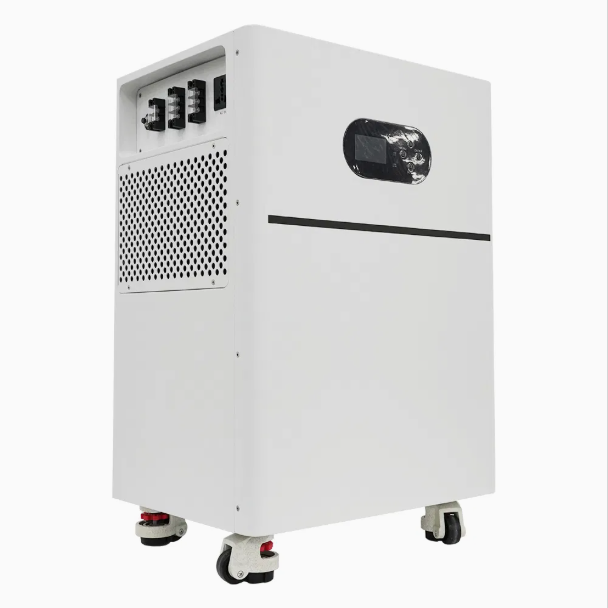
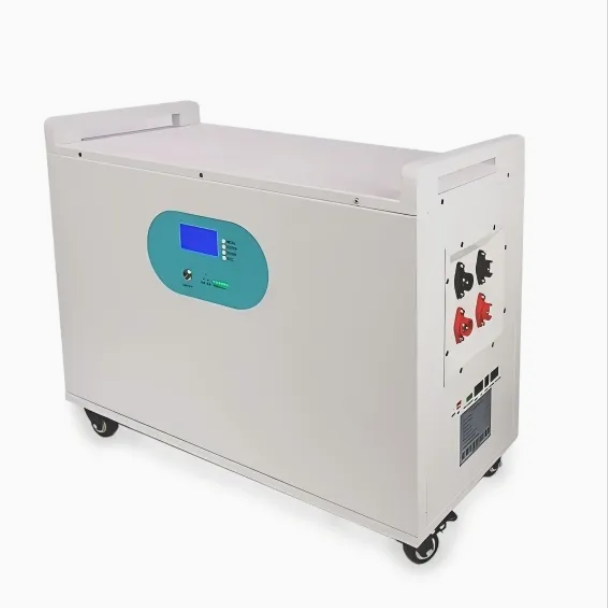
 Customizable residential energy storage
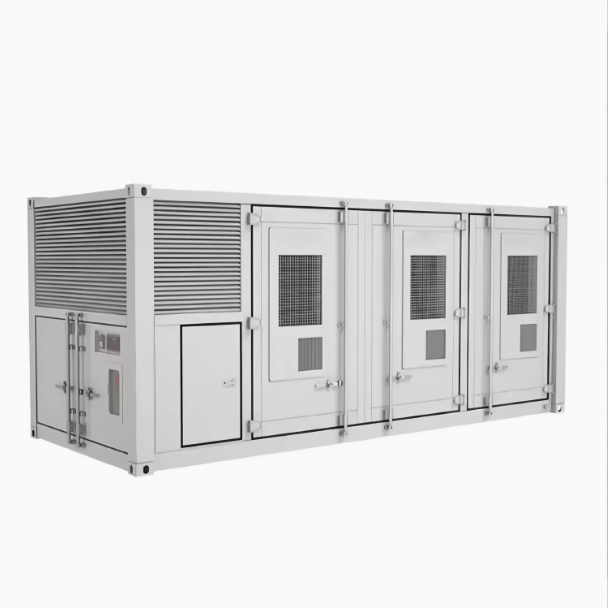
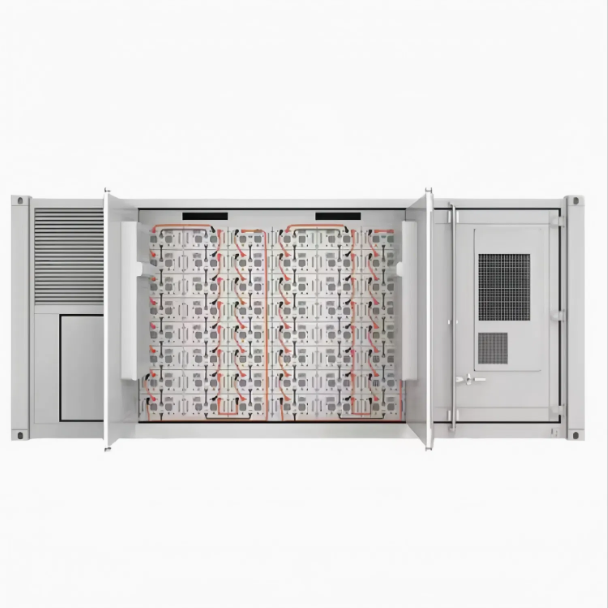
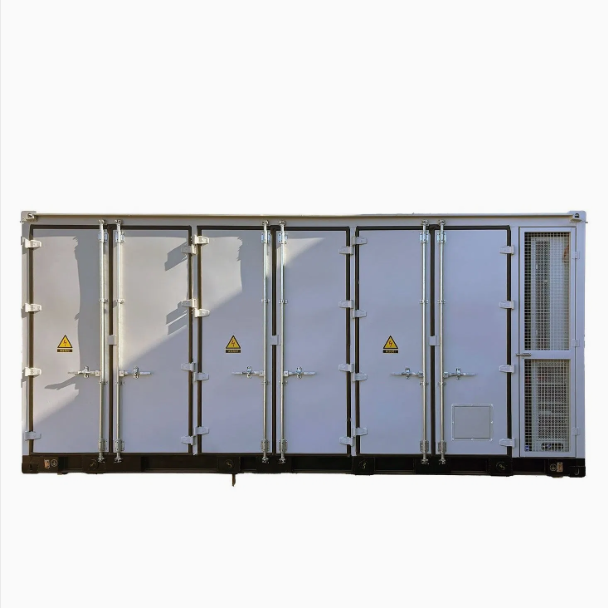
 Containerized energy storage can be customized
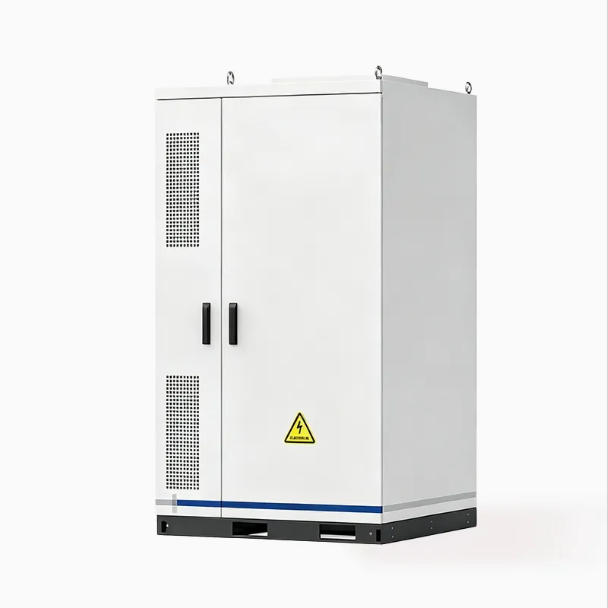
 Customizable industrial and commercial energy storage
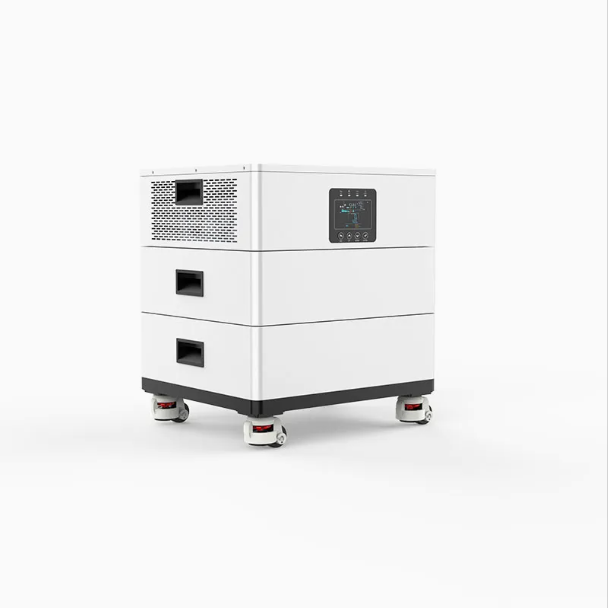
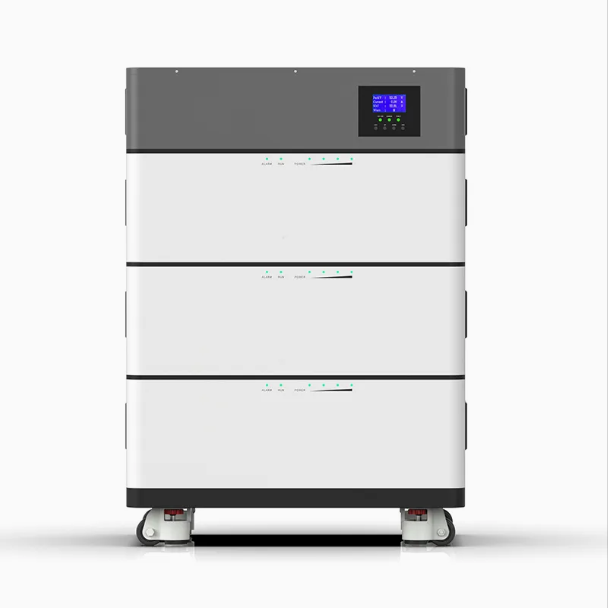
 Stackable Home Energy Storage
 All-in-One Home Energy Storage System Series
 Floor-Standing Home Energy Storage
 Wall-Mounted Home Energy Storage
 5kW Off-Grid Solar Inverter
 3kW Off-Grid Solar Inverter
 10kW Off-Grid Solar Inverter
 6-10kW Hybrid Solar Inverter
 3-6kW Hybrid Solar Inverter
 10-20kW Hybrid Solar Inverter
 High-Voltage 512V 300Ah LiFePO4 Battery System
 LiFePO4 Battery Portable Power Station
") Energy Storage Booster Station Substation (PCS Storage-Booster Integrated Cabin)
Energy Storage Booster Station Substation (PCS Storage-Booster Integrated Cabin)") 5MWh All-in-One Energy Storage Container (Air-Cooled / Liquid-Cooled)
5MWh All-in-One Energy Storage Container (Air-Cooled / Liquid-Cooled)") 2MWh All-in-One Energy Storage Container (Air-Cooled / Liquid-Cooled)
2MWh All-in-One Energy Storage Container (Air-Cooled / Liquid-Cooled)
Contact Us
If you have any cooperation intentions or product questions, please leave us a message!
We will get back to you as soon as possible!
Please give us a message